Quieter nights start with
better airflow.
Snoring isn't just noisy — it signals restricted airflow that fragments sleep for both you and your partner. The right tools can make a measurable difference.

What actually causes snoring — and what you can do about it
Snoring occurs when airflow through the mouth and nose is partially blocked during sleep. The soft tissues vibrate, creating the familiar sound. Understanding the cause helps you choose the right solution.
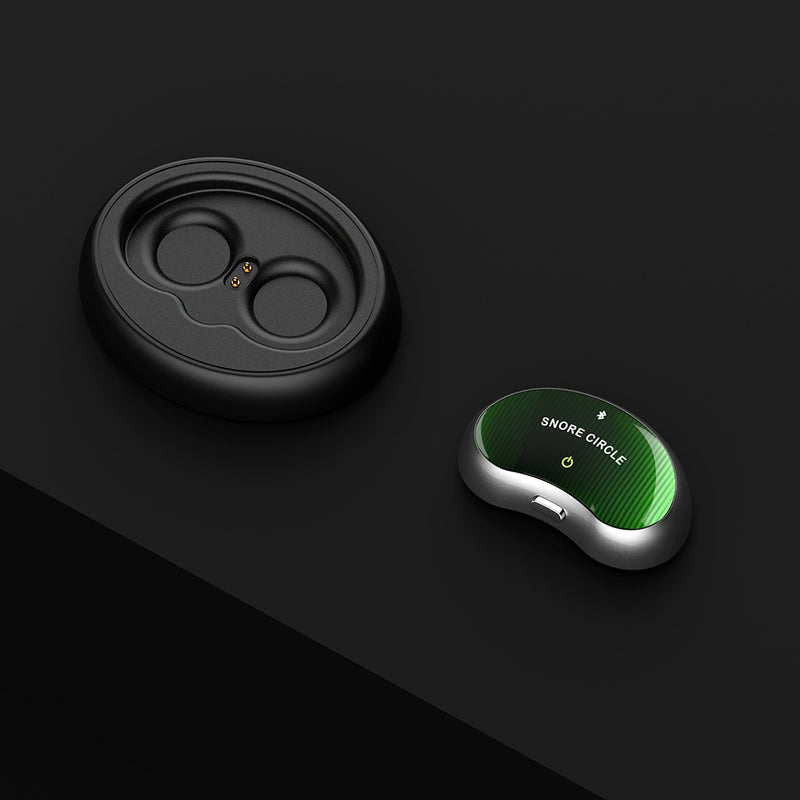
Snore Circle YA4300 Pro
The most advanced anti-snoring device in our collection. Smart EMS technology detects snoring sounds and delivers gentle micro-pulses that tone throat muscles — all without waking you up.
Find the right solution for your snoring type
From nasal dilators to smart EMS devices — each product targets a different cause of snoring.
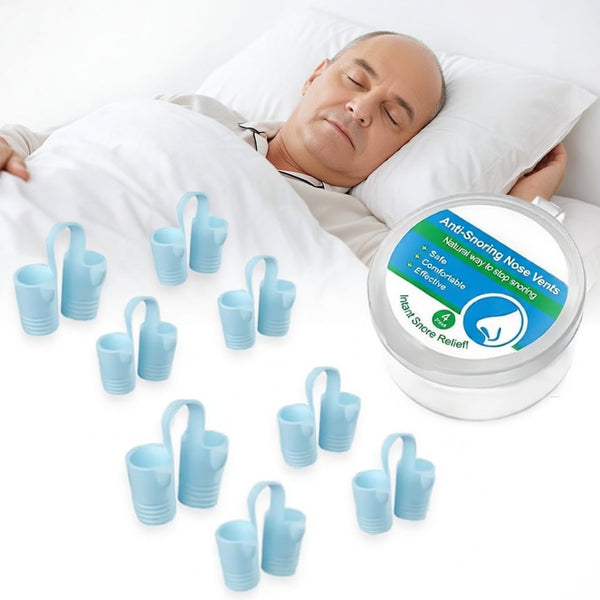
Gently widens the nasal passages to improve airflow through the nose — reducing mouth breathing and vibration-based snoring.

The ideal entry point — combines nasal support and throat-targeting tools into one starter kit for quieter nights from day one.
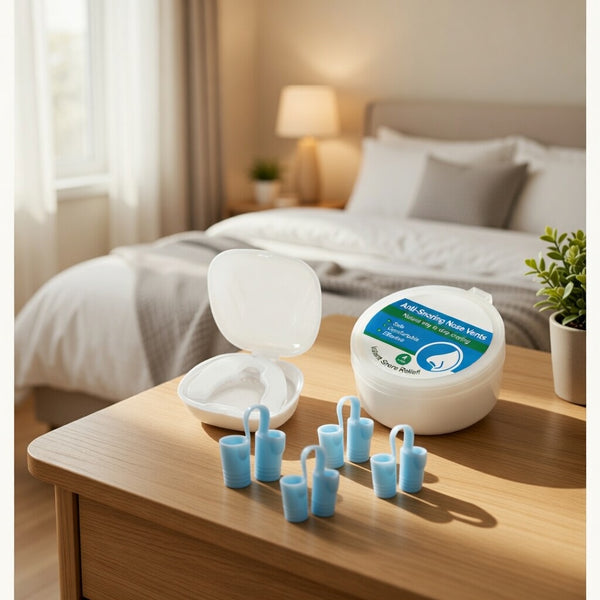
A complete two-product airflow system that addresses both nasal and throat causes of snoring for more comprehensive results.
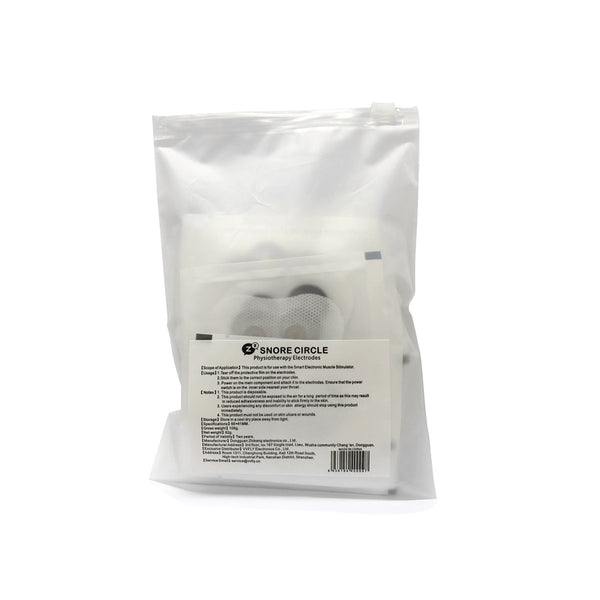
Keep your Snore Circle device performing at its best with clinical-grade replacement conductive strips. Available in 20, 40, 60, and 100-strip packs.
Understand snoring before you treat it
These guides explain the science behind snoring so you can choose the right solution for your specific situation.