Protein Fibers

Soybean & Milk Fiber

Soft protein fibers from soy and milk.

Bedding made with protein fibers spun from soybean and milk protein. Both are soft, light and silky to the touch, and both start from by-products of food production.

Silky softLightweightMade from food by-productsCompare the fibers ↓
Soybean & Milk Fiber
Soybean fiber
The Science

Fibers spun from protein

Most bedding fibers are cellulose, like cotton, or plastic, like polyester. These two start from protein instead. The protein is extracted, dissolved and spun through fine nozzles into filaments, giving a fiber with a soft, silk-like hand.

1
A by-product, not a new crop Soybean fiber uses the protein-rich pulp left over from making tofu and soy milk. Milk fiber uses casein from surplus skimmed milk.
2
Spun into fine filaments The fine, smooth filaments are what give these fabrics their soft, silky feel.
3
Treat it as a delicate Protein fibers dislike bleach, strong alkaline detergents and high heat.
Inside The Family

Two protein fibers

The badge on each product tells you which one it is made with.

The plant-based one

Soybean Fiber

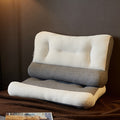
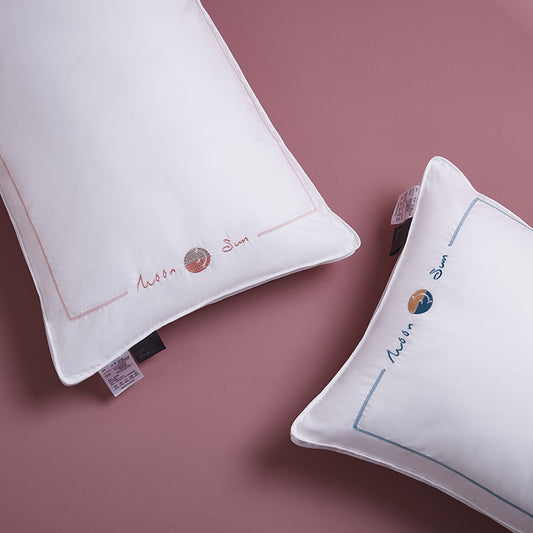
Made from soy protein left over from tofu and soy milk production. It is used here both as a filling, in quilts, duvets, toppers and pillows, and blended into fabrics. Fill ratios differ from product to product, so check the composition on each product page.

  • Soft, smooth hand feel
  • Used as a filling and in fabric blends
  • Composition and fill ratio are listed per product
Best for
Quilts, duvets, mattress toppers and pillows
Care
Gentle machine wash at 30°C with mild detergent where the label allows. No bleach; dry on low heat.
The dairy-based one

Milk Fiber

Spun from casein, the main protein in milk. It makes a very light fabric with a soft drape and a gentle sheen. Many fabrics sold as milk velvet are plain polyester, so the composition on the product page is what counts.

  • Very light, silky drape
  • Made from casein protein
  • Check the label: milk velvet is often polyester
Best for
Light throws and blankets
Care
Gentle cycle with cold or lukewarm water and mild detergent. Air dry or tumble dry low.
Compare

The two side by side

FiberSourceFeelUsed for
Soybean FiberSoy protein from tofu and soy milk productionSoft and smoothFillings and fabric blends
Milk FiberCasein from surplus milkVery light and silkyThrows and blankets
Common Questions

What people ask about protein fibers

What exactly is soybean fiber?
A plant-based protein textile made from the by-product of tofu and soy milk production. The protein-rich pulp left after food processing is refined and spun into fine filaments.
Is milk fiber really made from milk?
Yes. The fiber is derived from casein, the protein in dairy milk, which is dissolved and spun into filaments. Be aware that many fabrics labeled milk velvet contain no casein at all, so always check the composition.
Is milk fiber safe for people with a dairy allergy?
Milk fiber is a textile, not a food, and most people with dairy sensitivities have no reaction to the fabric. If you have a severe casein allergy, ask your doctor before buying.
Why do fill ratios differ between products?
The amount of soybean fiber depends on the product type. Some products use it as the whole filling, others blend it with other fibers for loft and durability. The exact ratio is on each product page.
How do I care for protein-fiber bedding?
Wash gently in cool water with mild detergent and dry on low heat or in the air. Avoid bleach, strong alkaline detergents and high temperatures, which degrade protein fibers over time.

↑ Back to the products